Graphic Design Jobs: Skills, Roles, and Career Paths
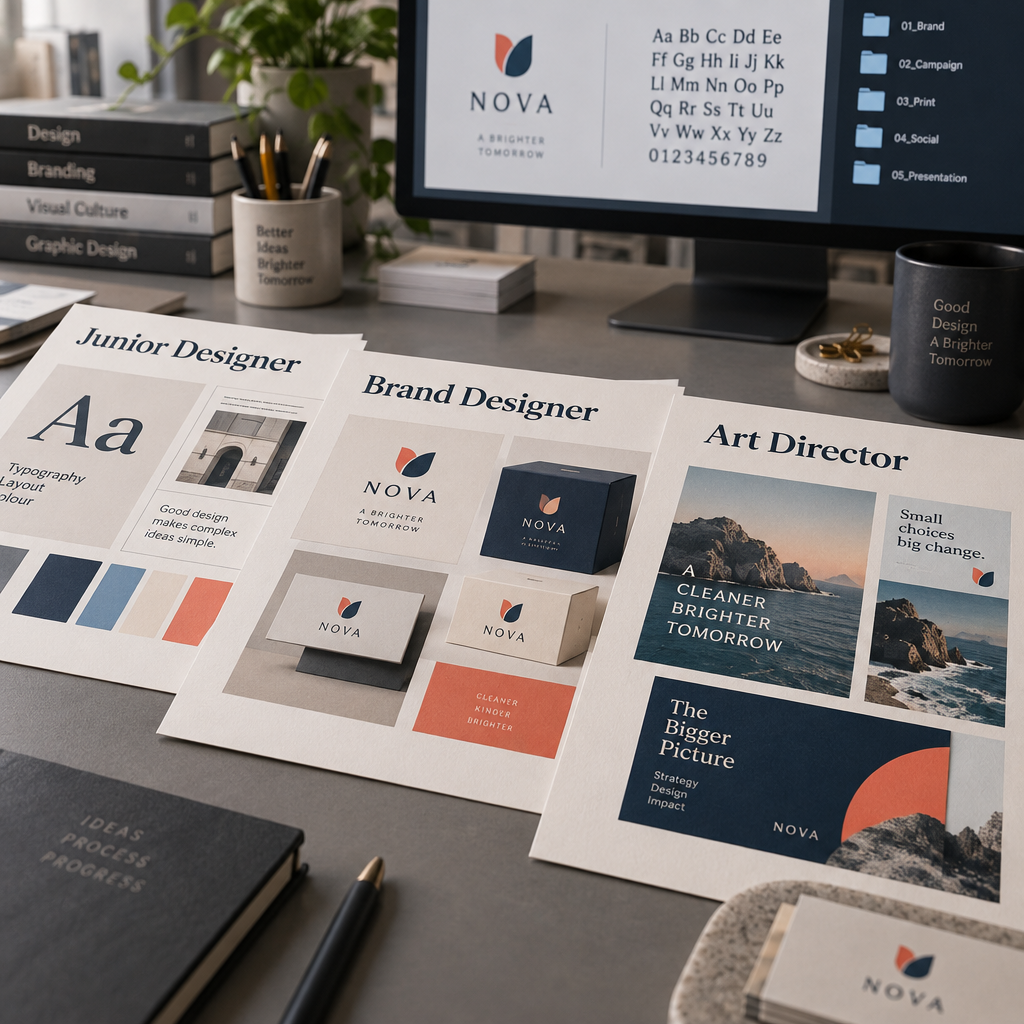
$58,910 was the median annual wage for graphic designers in the United States in May 2023. Graphic design jobs vary widely, though: a production artist preparing print files and a brand designer shaping a company’s identity solve different problems, even when both use Adobe Illustrator. The right role depends on the work you want to deliver and the teams you want to work with. A degree can be useful, but it isn’t a universal entry requirement. Hiring teams look for design judgment, clear communication, and a portfolio that matches the job. Understanding those expectations helps you choose a realistic starting point and build toward the work you want. Graphic designers create more than logos A graphic designer turns information and business goals into visual communication. That can mean a package on a store shelf, a paid social ad, an event poster, or a set of templates used by a sales team. Logos are one kind of deliverable, not the whole profession. Brand and marketing design Brand designers develop or maintain visual systems: logos, type choices, color palettes, graphic elements, and rules for using them. A finished identity often includes a style guide and examples showing how the system works on items such as a website, presentation, or business card. The work calls for consistency across applications, not just a polished mark. Marketing designers use those brand elements to make communication for specific campaigns and channels. They might adapt a product launch concept for Instagram, email, digital ads, and a trade show booth. Each format has its own dimensions and constraints, so the job includes making the message readable and recognizable as it changes shape. The business context affects the design choices. A direct-to-consumer company may need product images and promotional assets that support online shopping, while a nonprofit could prioritize clear, accessible information about a community program. In both cases, designers need to understand the audience and the purpose before they settle on a visual direction. Digital design and production Graphic design also covers digital layouts: landing pages, email templates, presentation decks, and graphics for apps. A designer might plan hierarchy and visual style without owning the full interface or the research behind it. The handoff can include organized files, export-ready images, and notes that explain how the design should be applied. Production artists prepare approved creative for accurate delivery. They may check dimensions, image resolution, color settings, linked files, and font handling before packaging a file for a printer or publisher. That work is detail-heavy, and a small preflight error can delay a print run or produce a costly reprint. Graphic design jobs therefore differ in both the final product and the responsibility attached to it. A useful way to assess a posting is to ask what you’ll make, who will review it, and what must happen before the work is considered finished. Match the job title to the deliverables Titles can overlap between companies, so read past the label. A “visual designer” at one organization may create marketing assets; at another, the role may focus on screens within a software product. Look for the deliverables, approval process, and partner teams described in the posting. Graphic, brand, and production roles A graphic designer usually works across a range of visual communication. Common assignments include campaign graphics, brochures, packaging, presentations, and digital ads. The role may involve interpreting a brief, presenting concepts, revising work based on feedback, and preparing final files for the channel where they’ll appear. A brand designer concentrates on identity and consistency. They may develop a visual direction for a new company or extend an existing system to cover a new product line. Expect more attention to brand guidelines, tone, and long-term use than in a role centered on producing one short campaign. A production artist focuses on execution after a concept or layout has been approved. Typical tasks include resizing a campaign for multiple placements, updating product details, and checking a print-ready PDF. If you like precise file work and defined specifications, the role can be a strong fit; it usually offers less ownership of the original concept. Art direction, motion, and web design An art director guides a visual concept and the people producing it. Depending on the company, the job can involve setting a campaign’s look, giving feedback to designers and photographers, and presenting creative choices to marketing or leadership. It generally requires a track record of strong work and sound judgment, not just proficiency in a design application. Motion graphics designers bring type, shapes, and images into movement. They may create animated titles, short product explainers, or ad variations in tools such as Adobe After Effects. Web designers focus on the visual organization of web pages, often working with developers to make sure layouts and assets function across screen sizes. Web design and UX/UI design can overlap, but they aren’t interchangeable. UX work considers how people complete tasks and move through a product; UI design focuses on interface elements and states. A graphic designer who wants to move into UX/UI should add skills such as prototyping in Figma and documenting interactive behavior, rather than relying on visual polish alone. Skills hiring teams assess go beyond software Software knowledge is useful because it helps you produce and revise work efficiently. It doesn’t show, by itself, whether you can choose a readable typeface, build a clear hierarchy, or respond well to a brief. Hiring teams need evidence of both visual fundamentals and the ability to apply them to business needs. Visual fundamentals in everyday work Typography affects how quickly someone can read and understand a design. A headline, body copy, and caption need distinct roles, with spacing and size that make the hierarchy apparent. In a dense one-page flyer, for example, type choices can determine whether a reader notices the event date before the supporting details. Layout is the arrangement of those elements. A clear grid can help a designer adapt a campaign across a square social post, a wide banner, and a letter-size